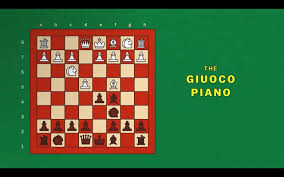
1. e4 openings, the Giuoco piano game.
The Giouco piano game starts with 1. e4 e5,
2. Nf3 devoloping the knight, ... Nc6 3. Bc4 devolping the bishop too (to c4) which is the italian game, black copies our move and plays Bc5. In the Giouco Piano, it is important to play 4. c3 preparing d4, Black follows up with 4... Nf6, and white strikes with 5. d4 and black captures the pawn by exd4, and white takes the pawn back to get the center by the move cxd4, introducing the good center. Black checks the white king by 6... Bb4+, White's most common follow-up blocking then check will be Nc3, Black can follow up with Nxe5 and White can get it's king into safety by O-O(kingside castle) and Bxc3 by black and white can play d5! Black will follow up with Ne5, white will follow up with Qe2 and black will also castle kingside (O-O).
Here is another famous game from this player (Wilhelm Steinitz)
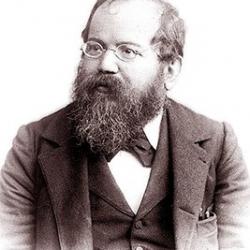
2. Steinitz's game, at 17 Aug, 1895 Round 10
Stenitz played The Giouco Piano too, and this is how he played. 1. e4 e5 2. Nf3 Nc6 3.Bc4 Bc5 Starting the Giouco piano game. 4. c3 Nf6 and black strikes with 5. d4 capturing the center, Black Follow's-up by exd4
and white captures back (cxd4) Black playes Bb4+ and the game went on after Nc3. Black played d5? giving a pawn and a good position away. The game went like this:
8. exd5 Nxd5 9. O-O Be6 10. Bg5 Be7 11. Bxd5 Bxd5 12. Nxd5 Qxe5 13. Bxe7 Nxe7 14. Re1 ( keeping the king in the nice center) 14... f6 15. Qe2 Qd7 16. Rac1 c6 17. d5!! cxd5 18. Nd4 Kf7 19. Ne6 Rhc8 20. Qg4 g6 21. Ng5+ Ke8 22. Rxe7+ Kf8 23. Rf7+ Kg8 24.Rg7+ Kh8 25. Rxh7+ 1-0(Black resigned because Stenditz announced mate in 10)